History of San Jorge La Laguna
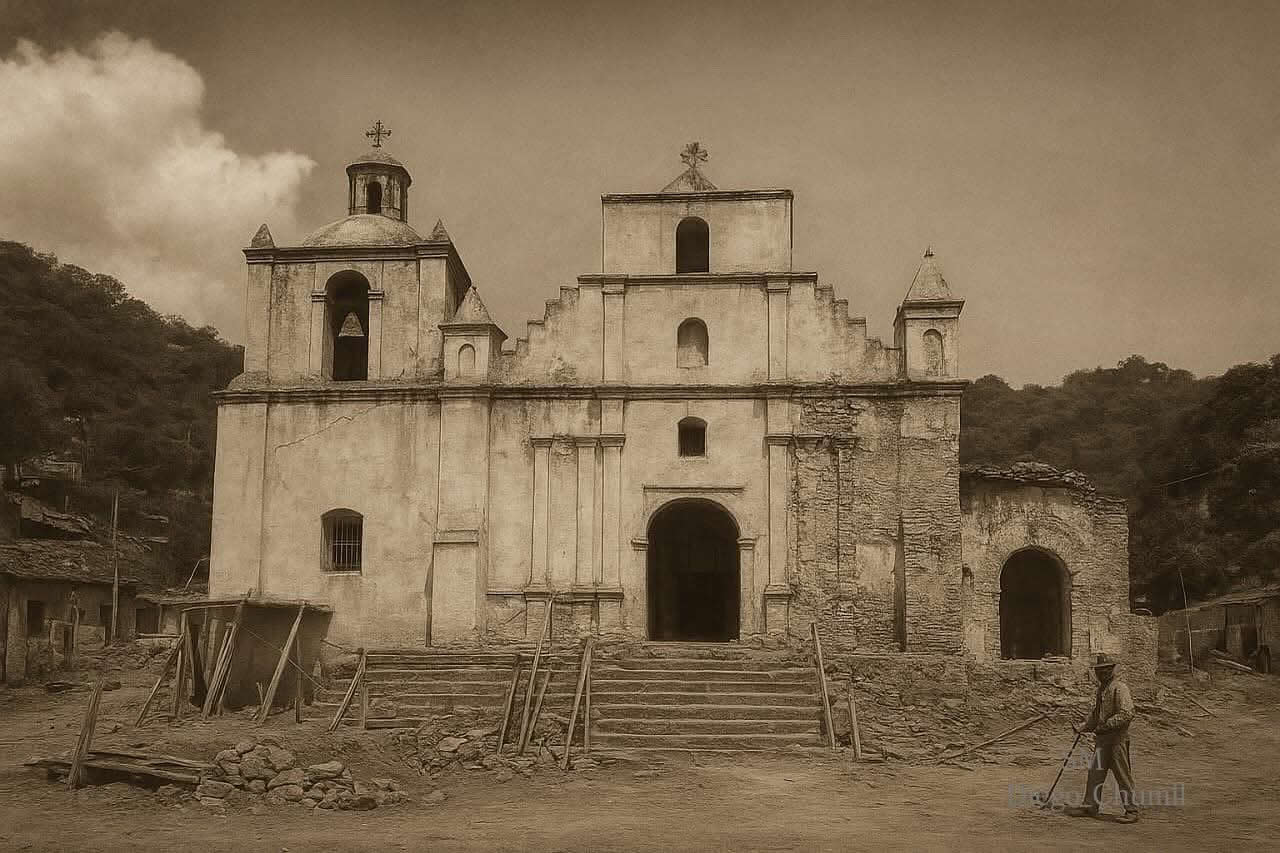
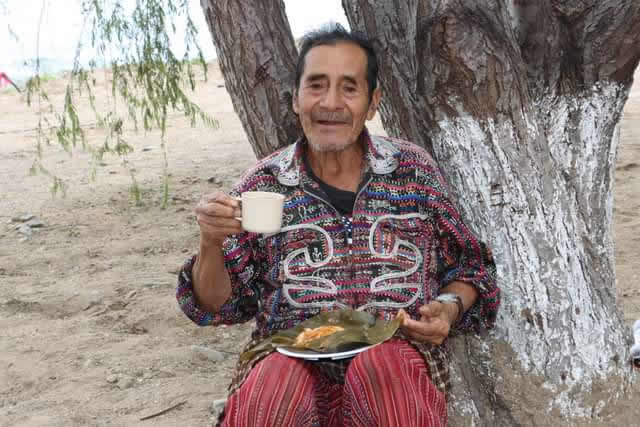
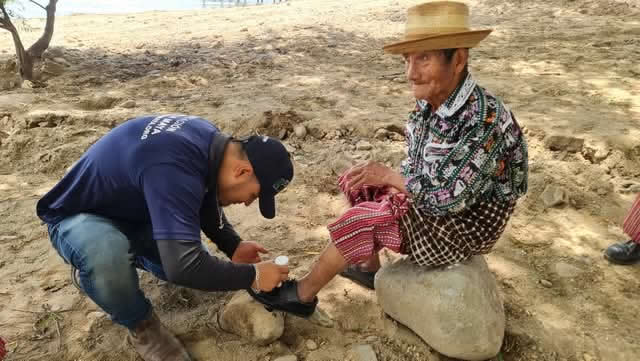
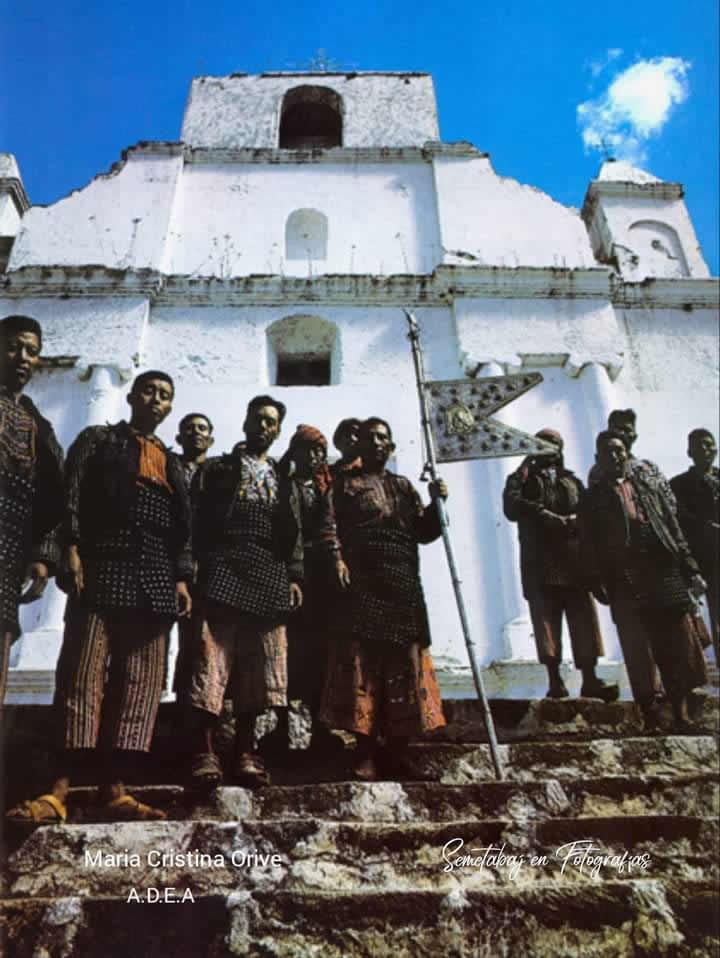
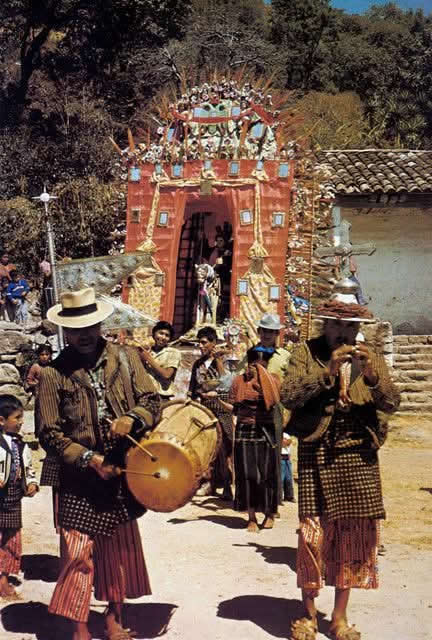
The stories of the Kaqchikel families form the foundation of the collective memory of the organized community of San Jorge La Laguna. The original ancestors of the territory known as Jaibal have transmitted from generation to generation knowledge about community life, the relationship with Mother Earth, and the importance of maintaining unity among the people. Kaqchikel identity is preserved through traditions, language, customs, and values that strengthen social organization and respect for ancestral territory.
Since ancient times, the original families have maintained an organizational structure based on respect, cooperation, and community work. The town of San Jorge La Laguna has preserved its Kaqchikel roots through the oral transmission of stories, teachings, and cultural practices that strengthen collective identity. Jaibal represents a historical space where the first settlements developed, marking the beginning of a community that today remains united by ancestral principles.
Local history reflects the importance of the community assembly, where decisions are made seeking the common good and harmony with nature. The organization of the town has allowed the preservation of traditions, protection of natural resources, and continuation of cultural practices that identify the community. Each generation contributes new knowledge while maintaining respect for the wisdom of the elders.
San Jorge La Laguna represents the continuity of a living culture that values the balance between development and tradition. Kaqchikel families maintain the commitment to transmit their history, language, and worldview to younger generations, strengthening the sense of belonging and respect for ancestral heritage that gives identity to the organized community.
This land held deep historical and spiritual meaning for the people of San Jorge, who considered it an ancestral inheritance. Young and old, united by a common purpose, walked carrying the image of Saint George, the patron of the community, who inspired courage and protection. The march was an expression of their identity, their connection to the land, and their right to possess it.
The recovery of Jaibal was not only an act of territorial vindication, but also of cultural and spiritual reaffirmation. By recovering their lands, the people of San Jorge reaffirmed their right to self-determination and to live in harmony with their heritage, within a national context where indigenous peoples were fighting for their rights.
This act became a symbol of peaceful resistance and the strength that a community can have when united by a common objective based on respect for traditions and ancestral rights.
On March 31, 1992, a tense and dramatic moment took place in San Jorge La Laguna, Sololá, when the alleged owner of Jaibal attempted to evict the community for the first time, generating an episode of peaceful resistance that strengthened the unity of the people.
On Saturday, April 4, 1992, a second eviction attempt occurred with the participation of riot police and army elements, causing material destruction and leaving a deep mark on the collective memory of the community. Despite the violence experienced, the population maintained its determination to defend its ancestral territory.
The resistance for Jaibal became a symbol of identity, dignity, and peaceful struggle for the people of San Jorge La Laguna, reaffirming the commitment of Kaqchikel families to defend their history, culture, and territory.